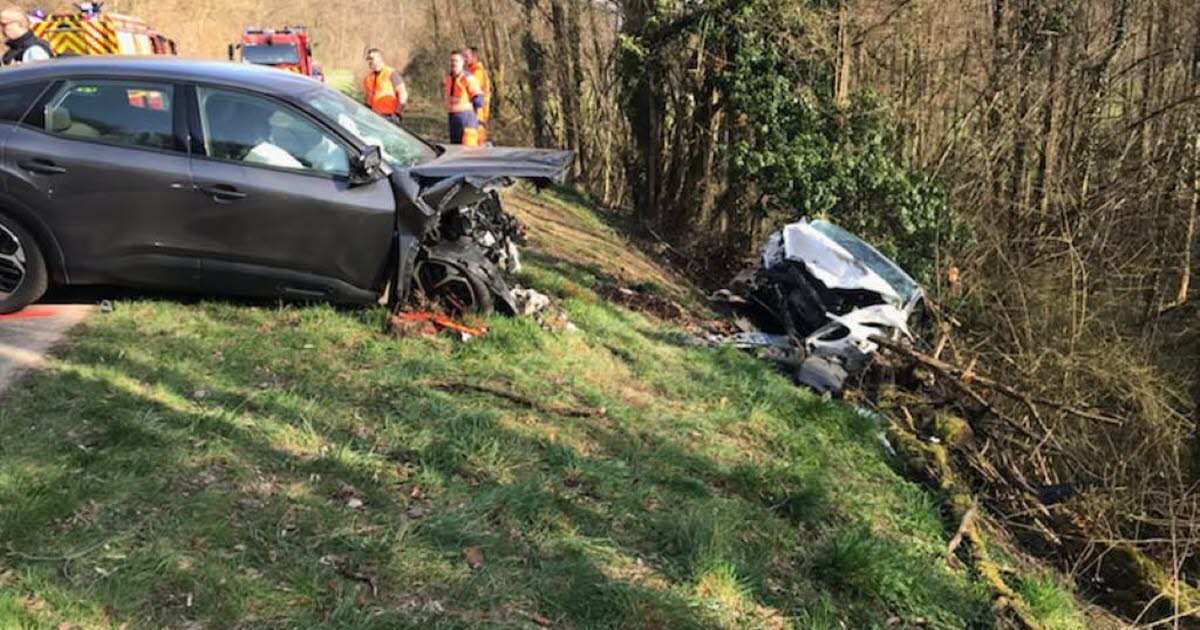
Doubs Frontal Crash: D30 Closed, Five Victims in Urgency After Devastating Pouligney Accident
The tranquil landscape of the Doubs department was shattered on Wednesday, March 4, 2026, when a catastrophic frontal collision near Pouligney-Lusans brought tragedy and chaos to the D30 road. Occurring around 1:30 PM, this severe road incident, now widely referred to as the "Accident Pouligney," involved two light vehicles and resulted in five critically injured individuals, plunging the community into concern and prompting an extensive emergency response. The severity of the crash necessitated the immediate closure of a significant section of the D30, underscoring the profound impact such events have on local infrastructure and daily life. As emergency services converged on the scene, the scale of the operation highlighted the urgency and coordination required to manage a crisis of this magnitude. This article delves into the details of the incident, the swift emergency response, and broader implications for road safety in the region.
The Devastating Doubs Frontal Crash: A Timeline of Events
The afternoon of March 4, 2026, started like any other for commuters on the D30 near Pouligney-Lusans, a commune nestled in the scenic Doubs region, not far from Besançon. However, at approximately 1:30 PM, routine journeys turned into a nightmare. A violent frontal collision involving two passenger vehicles occurred, sending shockwaves through the local area. The precise circumstances leading up to this severe "Accident Pouligney" are currently under investigation by authorities, but the immediate aftermath was clear: a scene of significant destruction and critical injuries.
According to reports from the Service Départemental d’Incendie et de Secours du Doubs (Sdis 25), the impact was severe enough to classify all five occupants of the vehicles as being in a state of "urgence absolue," indicating life-threatening conditions. The immediate priority for emergency responders was the extrication and stabilization of the victims, a task made challenging by the nature of frontal impacts. To facilitate this crucial work and ensure the safety of both victims and rescuers, the D30 departmental road was completely closed to traffic between Pouligney and Roulans. This neutralization of the road caused significant disruption, rerouting local traffic and impacting daily commutes, but it was a necessary measure to allow the extensive deployment of resources required for such a critical incident. The closure wasn't just about managing traffic; it created a sterile environment for specialized medical teams to perform their life-saving interventions without hindrance. The swift action of the gendarmerie in securing the perimeter and managing traffic flow was instrumental in the initial stages of this critical response.
The Human Toll: Five Victims in Critical Condition
The most harrowing aspect of the Pouligney-Lusans accident is the severe human toll. Five individuals were involved, and all of them sustained injuries so serious that they were classified as being in absolute urgency – a medical term signifying a critical, life-threatening condition requiring immediate, intensive care. Among the victims were four men, ranging in age from a 17-year-old minor to a 48-year-old, and one woman. The sheer range of ages underscores how road incidents can indiscriminately affect anyone.
The gravity of their conditions necessitated an advanced medical response. The 17-year-old victim, suffering from particularly severe injuries, was swiftly evacuated by helicopter to a specialized hospital center equipped to handle such trauma. Helicopter transport is reserved for the most critical cases, where speed and minimizing further movement are paramount. Initially, a second helicopter transport was planned for a 20-year-old man involved in the collision. However, this was later cancelled, not due to an improvement in his condition, but tragically, due to the extreme severity of his injuries, making him too unstable for aerial transfer. This decision highlights the precarious balance emergency medical teams face in managing multiple critically injured patients and making difficult judgment calls under immense pressure. The emotional impact on the families of these victims, and indeed the entire local community, cannot be overstated. When a community like Pouligney-Lusans experiences such a profound incident, the collective spirit often turns towards support and solidarity for those affected. For more details on the severity of the injuries in such incidents, you can read our related article:
Pouligney-Lusans Accident: Five Critically Injured on D30.
Emergency Response and Coordination in the Face of Crisis
The response to the Doubs frontal crash was a testament to the seamless coordination and professionalism of France's emergency services. From the moment the first alarm was raised, a multi-agency effort was set in motion, bringing together firefighters, paramedics, gendarmerie, and local administrative officials. The Sdis 25, the departmental fire and rescue service, took the lead in the on-scene coordination, deploying a significant number of personnel and equipment, including advanced rescue units and medical teams. Their primary roles involved extrication, initial medical stabilization, and ensuring the safety of the accident site.
The gendarmerie played a crucial role in securing the perimeter, managing the D30 road closure, and initiating the preliminary stages of the investigation. Their presence, alongside that of the local mayor, underscored the community-wide impact and the need for immediate local governance involvement. To manage the complex logistical and operational challenges presented by the "Accident Pouligney," an event was officially opened in the Synergi operational management system. This sophisticated system allows for real-time tracking of resources, victim status, and overall incident progression, ensuring that all responding units are synchronized and working towards common objectives. The ability to coordinate multiple ambulances, rescue vehicles, police units, and medical helicopters effectively is critical in optimizing outcomes for the critically injured. Such comprehensive responses are designed not only to save lives but also to gather crucial evidence for subsequent investigations into the causes of the collision, ensuring accountability and informing future prevention strategies. The efficient handling of such severe road incidents is paramount, as discussed further in
Grave Collision in Pouligney-Lusans: Two Vehicles, Five Critical.
Beyond the Immediate Aftermath: Road Safety and Prevention
While the immediate focus after any severe accident, including this "Accident Pouligney," is on rescue and recovery, the long-term imperative is to understand and prevent future tragedies. Frontal collisions, in particular, are among the most dangerous types of road accidents due to the combined speed and force of impact from two vehicles travelling in opposite directions. The devastating consequences seen on the D30 serve as a stark reminder of the fragile nature of road safety.
What insights can we glean from such incidents to enhance road safety in Doubs and beyond?
*
Driver Vigilance is Key: Many frontal collisions stem from momentary lapses in attention, fatigue, distraction (e.g., mobile phone use), or impaired driving (alcohol/drugs). Drivers must remain fully focused on the road, anticipate potential hazards, and adhere strictly to traffic laws.
*
Speed Management: Excessive speed reduces reaction time and increases the severity of any impact. Adhering to speed limits, especially on departmental roads like the D30 which can have varied conditions and limited visibility in certain sections, is non-negotiable.
*
Road Infrastructure: While the D30 is a standard departmental road, ongoing assessments of road design, signage, and safety barriers can always contribute to reducing risks. Specific measures like median barriers or rumble strips can sometimes mitigate the risk of vehicles veering into oncoming traffic.
*
Vehicle Maintenance: Regular vehicle checks, including tires, brakes, and lights, are essential. A poorly maintained vehicle can lose control unexpectedly, contributing to accidents.
*
Defensive Driving Techniques: Drivers should always be prepared for the unexpected actions of other road users. Maintaining a safe following distance and scanning the road far ahead can provide precious extra seconds to react.
Community engagement and continuous education on road safety are vital. Local authorities, driving schools, and community groups all have a role to play in fostering a culture of responsible driving. After an "Accident Pouligney" of this magnitude, it often serves as a powerful, albeit tragic, catalyst for renewed emphasis on these critical safety messages.
Conclusion
The Doubs frontal crash on the D30 near Pouligney-Lusans stands as a poignant reminder of the inherent risks of road travel and the profound impact of severe accidents. With five victims in absolute urgency, the incident underscores the critical importance of swift, coordinated emergency response and the dedication of all personnel involved. As the victims continue their arduous journey toward recovery, the event also calls upon all of us to reflect on our driving habits and our collective responsibility for road safety. Let this tragedy serve not only as a record of a devastating event but as a renewed impetus for vigilance, prevention, and compassion on our roads, ensuring that we do everything in our power to prevent such devastating Pouligney accidents from recurring.